
How I afford to travel the world
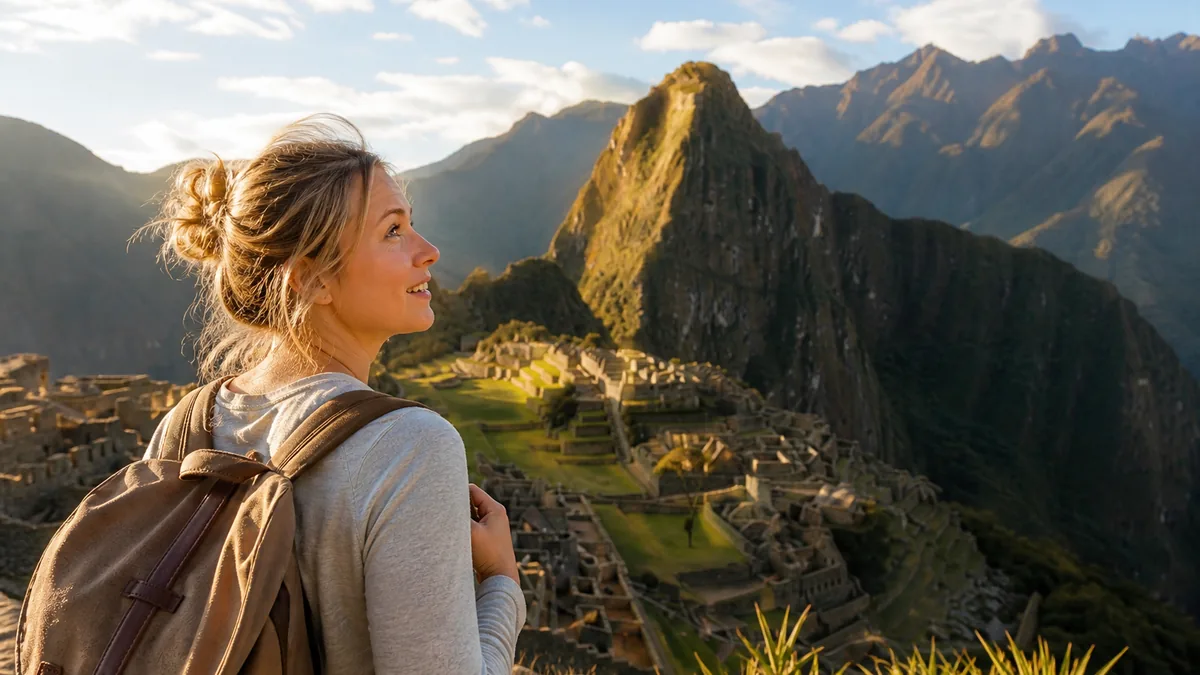
People ask me this in hostels, in comment sections, and once at a family dinner where my uncle assumed I had won something. I had not. I had, however, stopped pretending that travel and ordinary life were two separate bank accounts that never talk to each other.
I afford to travel the way most people afford anything meaningful: by deciding what matters, trimming what does not, and building income around the life I actually want instead of the other way around.
Income that travels with me
Freelance writing pays my rent in Portland and my guesthouse in Cusco. Guidebook work, magazine features, and the occasional brand project that does not make me cringe. I am not rich. I am employable in a portable way, which is almost better.
I batch work before long trips. Deadlines become trail markers. When I am on the road, I write in mornings before the city wakes up, or on trains, or in cafes where the Wi‑Fi is slow but the coffee is honest.
Slow travel saves more than money
Moving every forty-eight hours is expensive and exhausting. I stay longer, cook sometimes, take night buses when they make sense, and splurge where it counts: a safe room, a good meal, a guide who knows the stories behind the stones.
Finn changes the math too. Dog-friendly stays, extra planning, fewer impulse flights. Worth it. A month in one region often costs less than a week of frantic hopping.
The boring spreadsheet truth
I track spending without shame. Flights, insurance, gear, the occasional pastry that was objectively too expensive and still correct. Travel is not free, but it is often cheaper than the life people assume they must keep to afford it someday.
- Build portable income before you quit everything.
- Travel slower than Instagram suggests.
- Pay for safety and sleep. Cut elsewhere.
- Remember that someday is a date you can put on a calendar.